
Electrical
Code-compliant wiring and industrial components built for modern loads. Engineered for safety, our Electrical services are guaranteed to power.
Intelligent Power Distribution
We approach electrical systems as a holistic engineering challenge, not just a wiring job. We reject outdated practices, standardizing on high-conductivity copper and industrial-grade thermal protection. By accurately calculating load dynamics and installing advanced Arc-Fault (AFCI) detection, we eliminate “dirty power” and thermal risks. We build infrastructure that doesn’t just work today but is ready for the high-demand future of EV charging and smart automation.

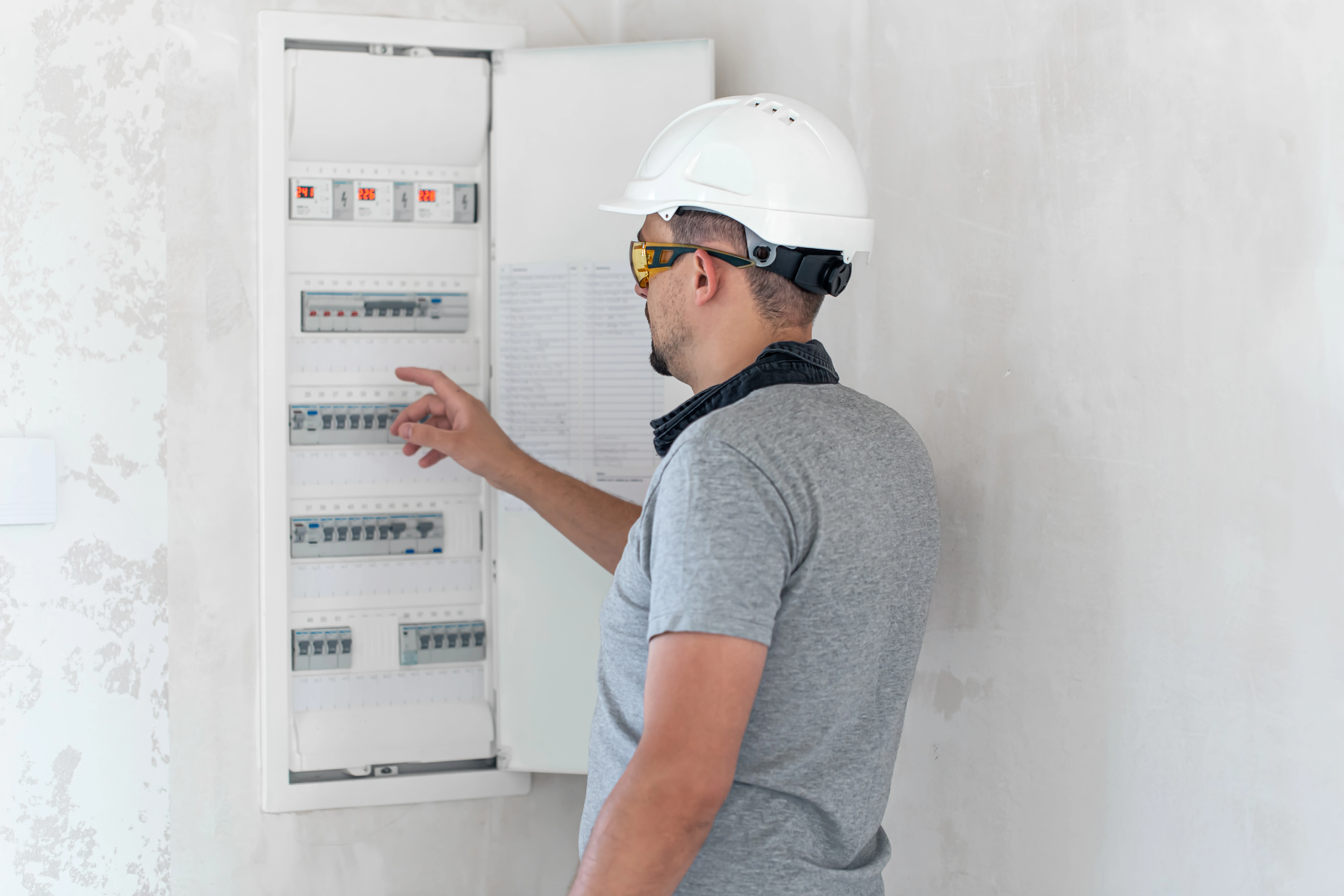
Forensic Auditing & Financial Control
Behind every switch plate often lies decades of ungrounded risks or hazardous DIY patches. We refuse to ignore these realities. Instead of vague estimates, we perform a forensic audit of your panel and circuits. If we uncover concealed liabilities—like active knob-and-tube or deteriorating aluminum—we stop and present a documented engineering solution. You maintain full approval authority, ensuring every dollar buys measurable safety.
Surgical Site Integration
Rewiring is complex; our execution makes it seamless. We treat your home like a sterile environment, utilizing dust containment zones and surgical drywall techniques to minimize surface impact. By strategically planning circuit cutovers and power interruptions, we ensure your household functionality remains intact. You receive a modernized, code-compliant grid without the invasive footprint of a typical construction zone.

5 Warning Signs Your Wiring is Compromised
Your electrical system operates silently behind walls, often hiding critical degradation until a thermal failure occurs. Unlike visible weather damage, electrical distress signals are often sensory—audible buzzing, distinct smells, or erratic behavior. Ignoring these “silent” warnings doesn’t just risk a power outage; it risks an electrical fire. If you observe any of the symptoms below, professional diagnostic intervention is required immediately to ensure your home remains safe.

1. Frequent Breaker Trips
Repeated tripping warns of dangerous circuit overloads or shorts that exceed your panel’s safety capacity.
2. Flickering Lights
Dimming when appliances run signals unstable voltage or loose connections that stress your system.
3. Hot or Scorched Outlets
Heat or discoloration on cover plates reveals active arcing and melting insulation inside the wall.
4. Burning Odors
Acrid or “fishy” smells represent overheating wires—a critical, immediate fire hazard.
5. Audible Buzzing
Sizzling or crackling sounds indicate dangerous electricity arcing across loose or damaged connections.
Critical Questions About Electrical Infrastructure
A comprehensive electrical upgrade is an investment in your home’s safety, not just a repair. We address the vital technical concerns—from panel capacity to rewiring logistics—ensuring you have the clarity needed to upgrade your system with absolute confidence.
Need Diagnostic Certainty?
Contact us for a complimentary electrical safety audit. We’ll guide you through the system evaluation and upgrade options to ensure you feel completely secure in your power infrastructure decisions.
My house has Knob & Tube wiring. Is it really dangerous?
Yes. This system lacks a ground wire, meaning power surges have nowhere to go but into your appliances or walls. Furthermore, the insulation is often brittle rubber or cloth that crumbles, creating a high risk of arcing and fire. Most insurance companies will not cover homes with active Knob & Tube.
Will rewiring my house destroy my walls?
Not if done correctly. We practice “surgical” rewiring. We make small, strategic holes near ceilings and baseboards to “fish” new copper wire through existing cavities. We patch these access points, meaning you don’t need to tear down entire walls to get a safe, modern system.
What is the difference between GFCI and AFCI breakers?
A GFCI (Ground Fault Circuit Interrupter) prevents electrocution by cutting power if it detects water contact (used in kitchens/baths). An AFCI (Arc Fault Circuit Interrupter) prevents fires by detecting dangerous sparking (arcing) inside the walls. Modern code often requires both.
I have aluminum wiring. Do I have to replace it all?
Aluminum wiring (common in the 60s/70s) expands and contracts more than copper, causing loose connections that spark. While a full copper rewire is the safest permanent solution, “pigtailing” (using special connectors to attach copper tips to aluminum ends) is a code-approved, cost-effective mitigation.
Is a "Whole Home Surge Protector" worth it?
Absolutely. Power strips only protect the device plugged into them. A whole-home unit is installed at the main panel and protects every device—from your refrigerator board to your LED dimmers—against external grid surges and lightning strikes.
Why do my lights flicker when the washing machine starts?
This is usually a voltage drop caused by a loose neutral wire or an overloaded circuit. If large appliances share a circuit with lighting, the initial power draw “starves” the lights. It requires a dedicated circuit for the appliance or a check of the main service connections.
Need Diagnostic Certainty?
Contact us for a complimentary electrical safety audit. We’ll guide you through the system evaluation and upgrade options to ensure you feel completely secure in your power infrastructure decisions.
Ready to Power Your Home with Confidence?
Bring rigorous engineering and code-compliant safety to your electrical system. Whether it’s a heavy-up panel upgrade or a complete home rewire, let’s build a resilient infrastructure that powers your future without compromise.