
Plumbing
Systemic diagnostics, precision repiping, and corrosion-resistant materials designed to eliminate leaks. Engineered for reliability, our Plumbing services are guaranteed to perform.
Engineered Flow & Material Science
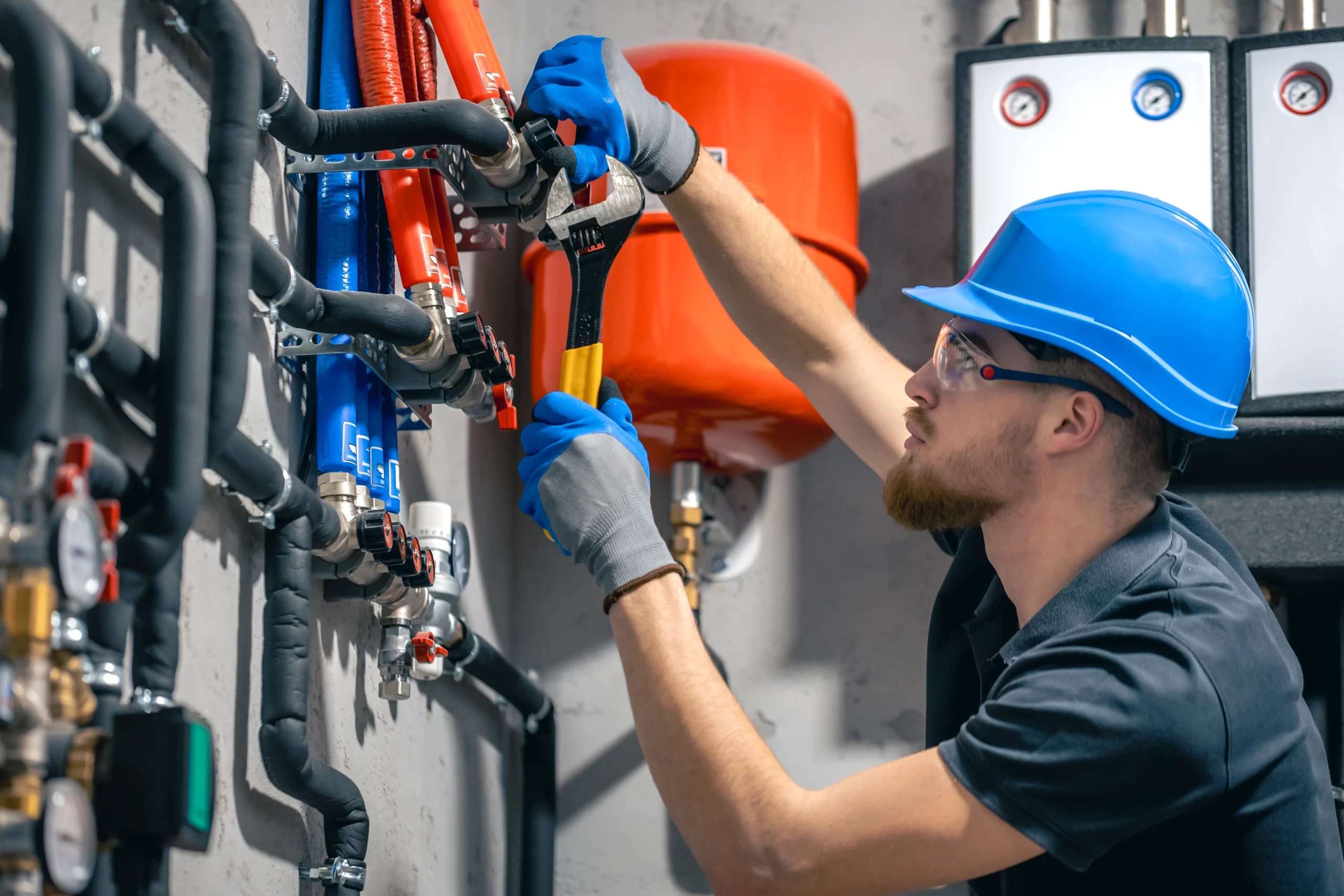
We approach plumbing not as a series of repairs, but as a holistic fluid dynamics challenge. We reject failure-prone components, standardizing on expansion-based PEX-A systems and solid brass fittings that resist corrosion and scaling. By calculating proper pipe sizing and slope, we ensure self-scouring drainage and stable water pressure, building a system that operates silently and efficiently for generations.

Forensic Integrity & Cost Control
Opening walls often reveals decades of hidden neglect—from galvanized corrosion to structural rot. We refuse to cover up these issues. Instead of vague allowances, we provide precise, line-item diagnostics. If we encounter unforeseen structural compromises, we stop, document the findings, and collaborate on a solution. You maintain full financial control, ensuring every dollar creates measurable value.
Surgical Site Management
Repiping is invasive; our process is designed to be invisible. We utilize negative-pressure dust containment and floor protection to isolate the work zone. By strategically planning water shut-offs to specific short intervals, we maintain your home’s livability. You get a modernized, code-compliant infrastructure without the typical renovation debris or extended downtime.

5 Indicators of Critical Infrastructure Decay
Plumbing failures rarely happen overnight; they are the result of cumulative stress and corrosion hiding behind your walls. Unlike visible surface damage, plumbing issues are often audible or functional. Ignoring these hydraulic distress signals allows minor leaks to evolve into mold outbreaks, structural rot, or catastrophic pipe bursts. If you observe these symptoms, diagnostic intervention is required immediately.

1. Low Water Pressure
Drops in flow when multiple fixtures run indicate internal calcification choking your supply lines.
2. Discolored Water
Rusty or brown water signals active internal corrosion and imminent pipe rupture.
3. Gurgling Drains
Bubbling sounds reveal critical blockages in the main sewer line or vent system.
4. Noisy Pipes
Loud banging (Water Hammer) physically stresses joints, leading to fractures and leaks.
5. Unexplained Bill Spikes
Sudden cost increases point to hidden underground leaks eroding your foundation.
Critical Questions About Plumbing Infrastructure
Upgrading plumbing is a vital long-term investment. We clarify the technical details—from PEX vs. Copper to pressure dynamics—so you can decide with absolute confidence.
Need Diagnostic Certainty?
Contact us for a complimentary infrastructure assessment. We’ll guide you through the diagnostic findings and system options to ensure you feel completely secure in your upgrade decisions.
Is repiping my home going to destroy my walls?
No. We utilize “surgical” repiping techniques. Instead of tearing down whole walls, we make small, strategic drywall cuts to feed new flexible PEX lines through existing cavities. We cover floors and seal off work areas to ensure your home stays clean.
Can I use chemical drain cleaners for clogs?
We strictly advise against it. Caustic chemicals generate intense heat that can warp PVC pipes and corrode old metal lines from the inside out. For stubborn clogs, mechanical snaking or hydro-jetting is the only safe solution that preserves pipe integrity.
Why is my water pressure suddenly low?
If you have older galvanized steel pipes, this is likely due to internal rust buildup (calcification) narrowing the pipe’s diameter. If your home has modern pipes, it may be a failing Pressure Reducing Valve (PRV) or a hidden leak diverting flow.
Is a tankless water heater worth the investment?
Tankless units offer unlimited hot water and lower energy bills (since you aren’t heating a standby tank). However, they require gas line upgrades and annual descaling maintenance. We help you calculate the ROI based on your household size and usage.
How do I know if I have a "silent leak"?
Turn off all water fixtures in the house. Go check your water meter. If the small triangle or dial is still moving, water is escaping somewhere—likely a running toilet flapper or a break in the underground service line.
Why does my drain smell like sewer gas?
This usually indicates a dried-out “P-trap” (common in guest bathrooms used rarely) or a blocked roof vent. Run water to refill the trap. If the smell persists, the vent stack may be clogged with debris, preventing sewer gas from escaping the roof.
Need Diagnostic Certainty?
Contact us for a complimentary infrastructure assessment. We’ll guide you through the diagnostic findings and system options to ensure you feel completely secure in your upgrade decisions.
Ready to Secure Your Home’s Infrastructure?
Bring professional engineering and code-compliant safety to your water systems. Whether it’s a complete PEX repipe or a high-efficiency upgrade, let’s build a hydraulic foundation that performs flawlessly for decades.